

Citizen and Seiko are two of the biggest names in Japanese watchmaking, but they attract solar-watch buyers for surprisingly different reasons. Citizen has built its reputation around Eco-Drive, practical technology and an enormous range of feature-rich watches, while Seiko brings solar power into a much broader watchmaking tradition that has created an exceptionally loyal following.
That makes Citizen vs Seiko more complicated than simply comparing specifications. One buyer may want a very specific combination of features, materials and technology, while another may already have a strong preference for the Seiko design, heritage or collection. We compare Eco-Drive and Seiko Solar, accuracy, power reserve, materials, lume, dive watches, chronographs, GPS technology and ownership to see where each brand stands out.
Table of Contents
Citizen vs Seiko Solar Watches at a Glance
Category | Citizen | Seiko |
|---|---|---|
Solar technology | Eco-Drive | Seiko Solar |
Solar heritage | One of the brand’s defining technologies | Important part of a much broader technology history |
Everyday solar watches | Very broad selection | Broad selection |
Feature-rich watches | Major strength | Strong |
Major strength through Super Titanium | Available across selected collections | |
Dive watches | Promaster | Prospex |
Solar chronographs | Extensive | Extensive |
GPS solar | Satellite Wave GPS | Astron GPS Solar |
Traditional watch designs | Excellent | Excellent |
Mechanical-watch ecosystem | Smaller | Extremely broad |
Enthusiast appeal | Strong | Extremely strong |
Collector ecosystem | More technology and model focused | Very broad |
Best reason to investigate | Eco-Drive, features, materials and practicality | Design, heritage, enthusiast appeal and specialized technology |
The table provides a useful starting point, but it does not tell the whole story. The most important differences between Citizen and Seiko are not always things that can be measured with a specification sheet.
Two Different Philosophies of Solar Watches
Citizen’s relationship with solar watches is unusually deep. The company introduced its first light-powered watch in 1976, and Eco-Drive subsequently became one of the defining technologies associated with Citizen. The basic concept is straightforward: light is converted into electrical energy, the energy is stored in a rechargeable cell, and the stored energy powers the quartz movement when sufficient light is not available.
This approach has allowed Citizen to build an enormous solar-watch ecosystem. Eco-Drive appears across everyday watches, field watches, dive watches, chronographs, titanium models, dress watches and technologically sophisticated timepieces, so solar power is often part of the fundamental reason for choosing a Citizen.
Seiko’s history is broader. The company is associated with mechanical watchmaking, quartz technology, professional dive watches, chronographs and numerous other innovations, while solar technology occupies an important place within that larger portfolio. Seiko introduced its own solar technology in 1977 and has subsequently developed solar movements for conventional watches as well as sophisticated collections such as Prospex and Astron.
This produces an important distinction between the brands. Citizen has built a large part of its modern identity around solar technology, while Seiko has made solar technology one chapter in a much larger watchmaking story.
That difference is not merely historical. It influences the way the watches are designed, marketed and ultimately chosen by buyers.
Citizen Eco-Drive vs Seiko Solar
At the basic technological level, Citizen Eco-Drive and Seiko Solar perform the same essential function. Both use light to generate electrical energy, store that energy and use it to operate a quartz movement without relying on the routine replacement of a conventional disposable battery.
The important thing to understand is that neither company has one universal solar movement. Citizen and Seiko both use multiple calibers with different power reserves, accuracy specifications, complications and operating characteristics, so comparisons should ultimately be made between the actual watches being considered.
Citizen has spent decades refining Eco-Drive and has pushed the technology into both practical and highly sophisticated territory. The Eco-Drive 365 is a particularly interesting example because it demonstrates Citizen’s continuing focus on extending the amount of time a watch can operate from stored solar energy.
Seiko takes a somewhat different approach by matching different solar movements to different types of watches. A relatively simple everyday Seiko Solar has very different objectives from a Prospex solar diver, a Speedtimer solar chronograph or an Astron GPS Solar watch.
The practical advantage is the same in both cases. Once properly charged, a solar watch can continue operating for months without the owner having to think about replacing a conventional battery.

Power Reserve and Charging
Power reserve is one of the most useful specifications to examine when comparing solar watches, but it is also one of the easiest specifications to misunderstand.
A solar watch is not literally powered directly by sunlight at every moment. The photovoltaic system converts available light into electrical energy, while the rechargeable cell stores energy for periods when the watch is exposed to insufficient light or placed in darkness.
Citizen has made long-term energy storage one of the strengths of Eco-Drive. Different Eco-Drive movements have different reserves, but the range includes watches designed to continue operating for extended periods without additional exposure to light.
Seiko Solar watches work on the same basic principle, and some Seiko movements also provide substantial stored-energy reserves. Certain Astron models add sophisticated power-management functions that reduce energy consumption when the watch is not being used normally.
For everyday ownership, the important point is that both brands make solar watches that can effectively disappear into the background of your life. With normal exposure to light, the owner can often wear the watch without giving much thought to its energy supply.
That is one of the strongest arguments for choosing either brand over a conventional battery-powered quartz watch.
Which Is More Accurate?
Accuracy is another category where the individual movement matters more than the brand.
Both Citizen and Seiko produce solar quartz watches capable of excellent everyday accuracy, and both companies also offer specialized movements that go considerably beyond the accuracy requirements of the average watch owner.
Citizen has developed particularly impressive high-accuracy Eco-Drive movements. Some of its premium movements are specified at only a few seconds of deviation per year, which is extraordinary performance for a conventional wristwatch and demonstrates how far solar quartz technology can be taken.
Seiko approaches accuracy from another direction with Astron GPS Solar. Rather than relying exclusively on the long-term accuracy of the quartz oscillator, an Astron can receive GPS signals and use them to synchronize the displayed time and determine the appropriate time zone.
These are different solutions to the same broad problem. A highly accurate Citizen can minimize the amount of time it gains or loses over an extended period, while a GPS-equipped Seiko can periodically reference an external time standard and automatically adjust itself.
For ordinary solar quartz ownership, however, there is little reason to choose one brand solely because of accuracy. Both are capable of providing considerably more accuracy than most mechanical watches.
Citizen’s Advantage: Feature-Driven Design
One of the most distinctive characteristics of Citizen is the company’s willingness to build watches around specific functions.
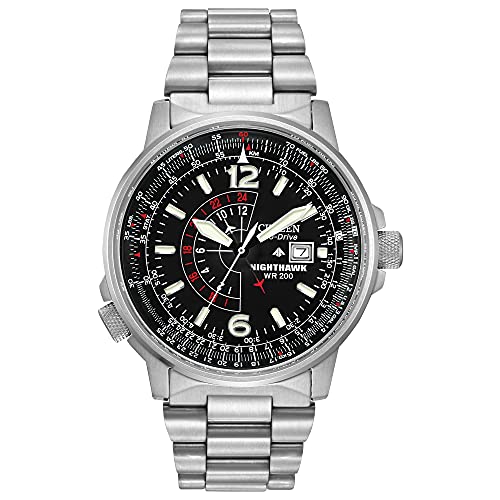
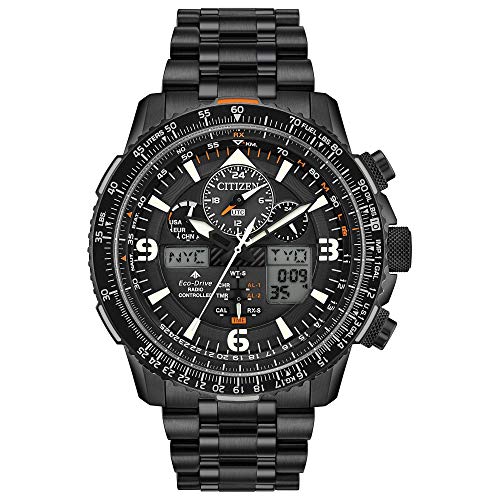
The Citizen catalog contains watches designed around particular requirements rather than simply variations on a traditional three-hand watch. Depending on the collection, buyers can find chronographs, perpetual calendars, world-time watches, radio-controlled models, GPS watches, alarms, ana-digi displays and other specialized functionality.
This is where the typical Citizen buyer becomes particularly interesting.
A buyer may begin the search by saying, “I want a solar watch with these particular features.” Citizen frequently has an answer because Eco-Drive has been incorporated into such a broad range of technically sophisticated watches.
This is also why Citizen’s enormous catalog can be both an advantage and a disadvantage. There are many choices, but finding the right one can require considerable research because numerous models may look similar while offering very different movements, case materials and functions.
For someone who enjoys researching specifications and wants a watch that does something very specific, however, this depth is a major attraction.


Seiko’s Advantage: The Watch Comes First
Seiko often attracts buyers through a different route.
Instead of beginning with a list of technical requirements, the buyer may see a particular Seiko and immediately like the design. The case shape, dial, hands, bezel, bracelet or collection identity may be what creates the initial attraction, with the solar movement becoming one of the reasons the watch makes sense rather than the sole reason for buying it.
This is particularly apparent with Prospex.
A Seiko Prospex solar diver does not merely present itself as a solar-powered quartz watch. It looks and feels like part of a much larger Seiko dive-watch tradition, and that connection can be extremely important to enthusiasts.
The same applies to the Prospex Speedtimer. The solar movement provides the practical benefits of quartz and solar charging, but the watch is also connected visually and historically to Seiko’s chronograph heritage.
That is one of Seiko’s great strengths. The technology supports the identity of the watch rather than necessarily being the identity of the watch.


Citizen vs Seiko for Dive Watches
Dive watches are one of the most natural applications for solar technology because reliability and low maintenance are particularly valuable in a tool watch.
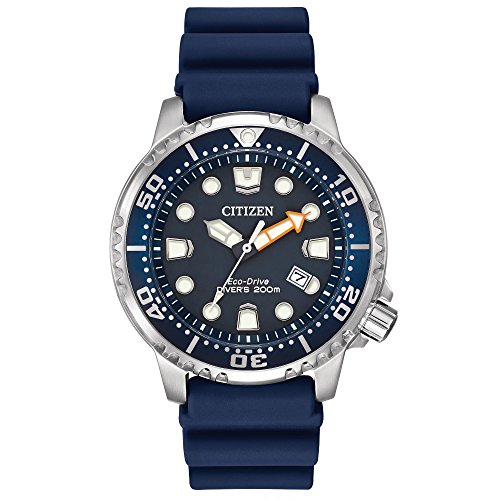
Citizen’s Promaster collection has a strong position in this category. Eco-Drive allows the watch to operate without routine battery replacement, while the Promaster range includes purpose-built dive watches with substantial water resistance, luminous displays and rugged construction.
Seiko approaches the category through Prospex, one of its most recognizable sports-watch collections. Seiko’s solar Prospex divers combine solar quartz movements with the company’s established dive-watch design language and specifications.
The result is that the two brands can produce remarkably similar propositions while still feeling completely different on the wrist.
A Citizen Promaster is likely to appeal to someone who sees the watch as a highly practical instrument and appreciates the combination of Eco-Drive and dive-watch functionality. A Seiko Prospex solar diver may appeal particularly strongly to someone who wants that same practicality while also valuing Seiko’s dive-watch heritage and enthusiast following.
Neither approach requires the buyer to compromise on the fundamental benefits of solar power.
Citizen vs Seiko for Chronographs
Solar chronographs reveal another difference in philosophy.
Citizen has produced an extensive selection of Eco-Drive chronographs, including models where the chronograph is combined with other electronic functions. The company has considerable experience building feature-rich watches in which the movement is an important part of the product’s appeal.
Seiko’s Prospex Speedtimer Solar models take a somewhat different approach. They combine solar quartz technology with a sports-chronograph design that draws on Seiko’s broader history of timing watches and motorsport-inspired chronographs.
This is why a direct specification comparison is not always enough.
Two watches can both have solar movements and chronograph functions while offering completely different wearing experiences. Case dimensions, dial layout, pushers, bracelet design, crystal material and overall proportions can make one watch much more appealing to a particular buyer.
When choosing a solar chronograph, the best approach is therefore to compare the specific models rather than deciding on Citizen or Seiko first.
Citizen vs Seiko for Titanium Watches
Titanium is one of Citizen’s strongest areas.
Citizen’s Super Titanium technology has become a significant part of the company’s product identity. Combined with DURATECT surface treatments on selected models, it allows Citizen to produce lightweight watches designed to provide greater resistance to surface wear than untreated titanium.
This is particularly useful for large watches. A substantial chronograph, Promaster or feature-rich Citizen can be much more comfortable when the case and bracelet are made from lightweight titanium rather than stainless steel.
Seiko also uses titanium, particularly in higher-end collections such as Astron and selected Prospex watches. The material is therefore not unique to Citizen, but Citizen’s long-standing emphasis on Super Titanium gives it a particularly strong position for buyers who specifically want a lightweight solar watch.
If the physical weight of a watch is important to you, Citizen deserves especially close attention.

Which Brand Has Better Lume?
Lume is one area where Seiko has developed a particularly recognizable identity through LumiBrite.
Many Seiko sports and dive watches use LumiBrite extensively across their hands and indices, and selected models also incorporate luminous material into the bezel. This makes nighttime legibility an important characteristic of many Prospex watches.
Citizen also makes excellent luminous sports and dive watches, particularly within Promaster.
The difficulty with making a brand-wide comparison is that lume varies substantially between individual watches. A Citizen dress watch is not designed around the same nighttime requirements as a Promaster diver, just as a Seiko dress-oriented watch cannot reasonably be compared with a Prospex dive watch simply because both carry the same brand name.
For serious lume performance, compare the actual watches rather than assuming that one brand automatically has better lume.
Citizen vs Seiko for Travel
Travel is where Seiko’s Astron collection becomes particularly interesting.
Astron GPS Solar combines solar charging with GPS-based timekeeping. The watch can receive signals from satellites and use them to determine the correct time and, depending on the model and movement, the appropriate time zone.
That is fundamentally different from ordinary solar quartz. A conventional Eco-Drive or Seiko Solar watch can keep exceptionally accurate time, but it still requires the owner to make time-zone adjustments manually when traveling.
Citizen has its own answer with Satellite Wave GPS.
Both technologies are designed for the traveler who wants sophisticated timekeeping without having to replace batteries or manually manage every time-zone change. At this level, the actual Citizen and Seiko models should be compared carefully because GPS functionality, displays, case size and controls vary considerably.
For someone who rarely crosses time zones, this technology may be unnecessary. For a frequent international traveler, however, GPS Solar can change the entire ownership experience.
Why Seiko Has Such Strong Brand Loyalty
Seiko’s greatest competitive advantage may not be any particular solar movement.
It is the enormous world that exists around the Seiko name.
Seiko’s history extends from traditional watchmaking through the quartz revolution and into sports watches, dive watches, chronographs, Kinetic technology and GPS Solar. That history gives enthusiasts an enormous number of directions in which to explore the brand.
A person can begin with a relatively inexpensive Seiko and later become interested in mechanical watches, vintage Seiko, Prospex, chronographs or other parts of the company’s history. The solar watch is therefore not necessarily the destination; it can be one entry point into a much larger hobby.
That helps explain the fierce loyalty that Seiko can inspire.
For some owners, buying a Seiko is about much more than acquiring an accurate wristwatch. It is about owning something connected to a recognizable watchmaking tradition.
Why Citizen Attracts Feature-Focused Buyers
Citizen’s appeal is often more directly connected to what the individual watch can do.
A buyer may want Eco-Drive because they never want to think about conventional battery replacement. They may want Super Titanium because they dislike the weight of stainless steel. They may want a perpetual calendar because they want the date handled automatically, or GPS because they travel frequently.
Citizen has become particularly good at combining those requirements.
That creates a very different type of brand loyalty. Instead of becoming attached primarily to the history of the company, the buyer may become attached to the experience of owning a watch that solves a particular problem extremely well.
For many people, that is just as powerful.
Once someone has owned an Eco-Drive watch for years without worrying about battery replacement, it is easy to understand why they might look to Citizen again when buying their next watch.
Citizen vs Seiko for Collectors
Collectors often approach these brands differently.
Seiko has a remarkably broad collector ecosystem because there are so many historical and contemporary categories to explore. Mechanical Seiko, vintage Seiko, dive watches, chronographs, quartz models, Prospex and other collections all provide different entry points.
Citizen has a collector community as well, and its history is much deeper than its reputation as an Eco-Drive manufacturer might suggest. Vintage Citizen, Promaster, high-end Eco-Drive, Super Titanium and technologically advanced models all offer areas of interest.
The difference is that Seiko’s collecting culture is particularly broad and deeply integrated into the wider watch-enthusiast community.
Citizen’s appeal can be more concentrated around specific technologies and collections.
For someone who views the watch as part of a growing collection, Seiko’s broader ecosystem can be a significant consideration. For someone who wants to collect interesting examples of solar and electronic watch technology, Citizen offers a fascinating field of its own.
Citizen vs Seiko by Price
Price makes the comparison more complicated because both brands cover a very broad range.
At the affordable end, Citizen has a particularly strong selection of Eco-Drive watches that provide the basic advantages of solar quartz without requiring a large investment. Seiko also offers affordable solar watches, so the individual model becomes more important as prices approach each other.
In the mid-range, the competition becomes particularly interesting. Citizen’s Promaster and Super Titanium offerings compete with Seiko’s Prospex and other enthusiast-oriented watches, but they frequently prioritize different characteristics.
At higher prices, both brands offer much more sophisticated technology and construction. Citizen can move into high-accuracy Eco-Drive, premium titanium and highly finished watches, while Seiko’s Astron collection brings GPS Solar technology and premium construction into the equation.
This is why a simple statement such as “Citizen is better value” or “Seiko is better value” does not tell the whole story.
At any given price, the buyer should compare the actual specifications and determine whether the premium is paying for something they genuinely want.
Which Brand Makes the Better Everyday Solar Watch?
For a buyer who simply wants a reliable, accurate, low-maintenance solar watch, both companies offer excellent choices.
Citizen has an enormous advantage in selection because Eco-Drive appears across such a large portion of its catalog. That makes it relatively easy to find a Citizen built around almost any everyday-watch requirement.
Seiko offers a different attraction. Its solar watches can provide the same basic convenience while retaining a strong traditional watch character, particularly in collections such as Prospex.
The deciding factor is therefore likely to be the design and feature set of the particular watch.
If you are searching primarily for the simplest path to solar-powered convenience, Citizen’s Eco-Drive catalog is an excellent place to begin. If you already know that you want a particular Seiko design or collection, solar power makes that choice even more practical.
Which Brand Should You Choose?
If solar technology itself is the reason you are shopping, Citizen deserves particularly close attention. Eco-Drive has been central to the brand for decades, and the company’s enormous range means that you can find the technology in watches designed for everyday wear, diving, travel, chronograph use, titanium construction and more.
If the watch itself is what attracts you, Seiko becomes particularly compelling. Its solar watches allow you to combine the convenience of quartz and solar charging with the design language and heritage that have made Seiko so important to watch enthusiasts.
If specific features are your priority, spend time exploring Citizen’s catalog. The company’s willingness to combine Eco-Drive with sophisticated functions means that buyers with very particular requirements often have several interesting options.
If brand heritage and collecting are important to you, Seiko deserves careful consideration. The company offers an unusually broad watchmaking ecosystem, and a solar Seiko can be part of a much larger collecting journey.
If titanium and low weight are high on your list, Citizen’s Super Titanium watches deserve particular attention. Citizen has made lightweight construction one of its most recognizable technical specialties.
If GPS timekeeping is the reason you are shopping, compare Citizen Satellite Wave GPS with Seiko Astron GPS Solar at the individual-model level. Both companies have developed sophisticated solar-powered satellite timekeeping, but their watches differ considerably in design, controls and functionality.
Citizen vs Seiko: The Bottom Line
Citizen and Seiko are fierce competitors, but they are not simply two companies making interchangeable solar watches.
Citizen has made solar technology a defining part of its identity. Eco-Drive has been refined for decades and appears throughout an enormous range of watches, while technologies such as Super Titanium, advanced accuracy and sophisticated electronic functionality reinforce Citizen’s reputation as a company that likes to solve problems through watch technology.
Seiko has taken solar technology and placed it inside one of the broadest histories in modern watchmaking. A Seiko solar watch can be an everyday timepiece, a Prospex dive watch, a Speedtimer chronograph or an Astron GPS Solar, and each one connects solar technology to a larger Seiko design and watchmaking tradition.
That difference explains why the two brands inspire different kinds of loyalty.
Citizen often attracts the buyer who knows exactly what they want the watch to do. Seiko often attracts the buyer who already knows what kind of watch they want to own.
There is plenty of overlap, and neither description applies to every buyer. Citizen has passionate enthusiasts, while Seiko makes extremely practical watches with sophisticated technology. Both companies have extensive histories, both make excellent solar movements, and both offer watches that can remain on the wrist for years with remarkably little attention from the owner.
But the distinction remains useful when trying to understand why these two brands compete so successfully.
A buyer who wants Eco-Drive, a particular complication, lightweight titanium, a rugged Promaster or a specific set of practical features may find Citizen difficult to overlook. The company has spent decades building watches around exactly those requirements.
A buyer who falls for the design of a Prospex, the character of a Speedtimer, the technology of an Astron or the broader history of Seiko may find that the brand itself becomes part of the reason for the purchase.
That is ultimately what makes Citizen vs Seiko such a compelling comparison.
The question is not whether either company knows how to make a solar watch. Both clearly do. The more important question is what you want from the watch after the solar technology becomes something you simply take for granted.
If you want a watch that delivers a carefully defined combination of technology, functionality and materials, Citizen has built an extraordinary range of choices around that philosophy. If you want a solar watch whose design, heritage and identity connect you to a much larger watchmaking tradition, Seiko offers an equally compelling path.
The smartest way to make the final decision is therefore to choose the specific watch first and the brand second. Compare the movement, case, crystal, bracelet, dimensions, water resistance, lume, functions and price, then consider whether the character of Citizen or Seiko is the better match for what you want to wear.
Because when two brands are this capable, the logo on the dial is only part of the decision.
The right Citizen or the right Seiko is the one that gives you the combination of technology, design and ownership experience that you actually want.


